The best RV roof sealant for most owners is Dicor Self-Leveling Lap Sealant, a caulk-style sealant formulated for EPDM rubber roofs and compatible with TPO and PVC membranes, the other rubber-style roof sheets, and it also bonds to fiberglass and aluminum. Use Dicor’s non-leveling version on vertical surfaces and save EternaBond tape for failed seams.
Which sealant matches your roof type?
Most RV roofs are EPDM, TPO, fiberglass or aluminum, and the table below gives the quick match. PVC (polyvinyl chloride), a less common membrane, is covered by the same Dicor lap sealants as EPDM and TPO.
| Roof | What it is | Sealant to start with | Watch for |
|---|---|---|---|
| EPDM (ethylene propylene diene monomer) | A synthetic rubber membrane | Dicor lap sealant, self-leveling on flat areas | Avoid silicone caulk and petroleum-based cleaners |
| TPO (thermoplastic polyolefin) | A more rigid membrane that looks more like plastic than rubber | The sealant originally installed, or Dicor lap sealant if the manual allows it | Standard silicone caulk will not adhere properly, and some roof systems require their own brand of sealant |
| Fiberglass | A rigid roof, often with a gel coat finish | Dicor lap sealant or Ultra Sealant, with no primer needed for Ultra on the fiberglass itself | Check the manual, since some builders use their own product |
| Aluminum | Thin metal sheets fastened together | Dicor Ultra Sealant, with no primer needed on the aluminum itself, unless your manual names another product | Seams and fasteners are the usual leak points |
How do you tell EPDM from TPO?
Work from inside the RV. Remove the inner trim ring on an interior roof vent or vent fan and look at the membrane folded into the opening. If its underside is black, the roof is likely EPDM. If it is the same color as the top, it is likely TPO, though white PVC can look much the same.
If you cannot tell, ask the manufacturer what your model used.
Lap sealant vs. tape vs. coating: Which do you need?
These three products solve different problems. Lap sealant is routine upkeep, tape is a repair, and a coating is a whole-roof renewal that most owners never need.
| Product | What it does | Use it for | Main drawback |
|---|---|---|---|
| Lap sealant | Forms a secondary seal along roof edges and around vents, pipes and screw heads | Routine resealing of cracked or worn spots | Needs regular checks |
| Sealant tape | Bonds over a seam or repair as a flexible patch | Failed seams and spot repairs | Takes work to remove, and RoofSeal is not intended for painting |
| Roof coating | Covers the whole roof in a new weatherproof layer | An aged but sound roof | The biggest job, and it will not fix damage underneath |
The best RV roof sealants
The first two picks cover most resealing jobs. The other three are for specific roofs and repairs, so skip them unless you need them.
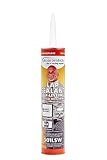
Dicor Self-Leveling Lap Sealant (501LSW-1)
Flows out around vents, screw heads and roof edges on horizontal surfaces. It is UV stabilized, compatible with EPDM, TPO and PVC membranes, and comes in six colors.
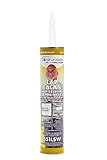
Dicor Non-Leveling Lap Sealant (551LSW-1)
The same job as the self-leveling tube, but with a non-sag formula for vertical surfaces and termination rails, the screwed-down moldings where the roof membrane ends.

Dicor Self-Leveling Ultra Sealant (610SASLW-1)
A solvent-free sealant that bonds to aluminum, steel and fiberglass without primer, and it can be painted with most paints. Polypropylene accessories still need Dicor’s primer. TPO and EPDM roofs need it first too, so lap sealant is the simpler choice there.
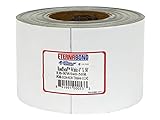
EternaBond RoofSeal Sealant Tape, 4 inch x 50 foot
Bonds to EPDM, TPO, aluminum and fiberglass, and stays flexible from -70°F to 212°F. A 50-foot roll is more than a small patch needs, so buy it for long seams or as a keep-on-hand repair.

Dicor Signature Extended Life Silicone Coating (RP-SELRC-1)
A silicone coating system for existing EPDM and TPO roofs, not a silicone caulk. It requires a separate roof-specific primer, which is sold on its own, and it is not a first step for a small leak. Skip it if your manual rules out silicone.
When tape is the better choice
Choose tape when a seam or the membrane itself has failed, not when the sealant simply looks old. It needs a clean, dry surface, so cracked, loose or grimy sealant has to come off first.
Use EternaClean or a commercial roof cleaner rather than a detergent-type cleaner. EternaBond also lists acetone and lacquer thinner, but do not use acetone on an EPDM roof, and check your manual before using lacquer thinner on any membrane.
Apply the tape at 40°F or warmer, or use EternaPrime, EternaBond’s adhesion booster, below that, and press it down hard, ideally with a steel roofer’s roller, because pressure activates the bond. Do not use EternaPrime on a PVC roof. On old TPO or PVC, scuff the repair area with sandpaper and wipe off the dust.
For aluminum or galvanized steel surfaces, EternaBond also makes AlumiBond, which has an aluminum backing. On uneven joints, EternaBond WebSeal is easier to lay than RoofSeal. This fabric-backed tape has no memory, so it conforms to the shape, but its product sheet says it needs a roof coating on top for UV protection.
If a gappy joint needs filling before you tape it, use a non-solvent caulk. Solvent-based sealants can attack the tape’s backing, and Dicor lap sealant contains solvent, so it is the wrong filler here.
Is a roof coating worth it?
Usually not. A roof in good shape does not need one, and Keystone tells owners its TPO roofs need no coatings beyond periodic washing.
Coatings also take real work. Signature needs at least two coats at 1 gallon per 125 square feet per coat, so an 8 by 30 foot roof takes 4 gallons. Priming and both coats must be finished in one day, and damaged material has to be repaired first.
The coating must also match the roof. Dicor’s acrylic coating is for EPDM and PVC, Signature is for EPDM and TPO, its elastomeric coating is for metal roofs, and fiberglass has its own coating. Once a roof has Signature on it, upkeep moves to Ultra Sealant rather than standard lap sealant.
What should you not use on an RV roof?
Start with silicone caulk. It will not adhere to EPDM rubber, and standard silicone does not adhere properly to TPO and is not rated for it.
Keystone’s roof care page tells owners to avoid any silicone products on the roof material, but its exterior seal guide says to use silicone sealant for seal repairs without excluding the roof, so check your own manual if you own a Keystone.
EternaBond tape is not recommended on silicone-treated surfaces, and not all silicones stick to every surface. Dicor’s own All-Purpose Silicone Sealant is pitched at kitchens, galleys, bathrooms and other interior jobs, not at roofs.
The rule of thumb: No silicone caulk on an EPDM or TPO roof unless your RV’s manufacturer specifies it, and follow your manual on fiberglass or aluminum.
Signature, our coating pick, is a different case: It is a 100% silicone coating, not a caulk, and Dicor makes it for EPDM and TPO roofs with a required primer underneath.
It is still a silicone product, so skip it if your manual rules out silicone or coatings. Guidance on coating TPO varies by brand. A coated roof also makes EternaBond a poor choice for later repairs, since the tape is not recommended on silicone-treated surfaces.
Some builders do call for different sealants in certain spots, which is why the manual outranks any general advice, including ours. A few other products need care as well:
- Geocel Pro Flex RV: A flexible RV sealant, but not for use on EPDM or TPO.
- Dicor Ultra Sealant on skylights: It cannot go on plastics under stress, so use Dicor’s 501 or 551 lap sealant on polycarbonate skylights.
- Cleaners: On EPDM roofs, skip acetone. Also skip petroleum solvents, harsh abrasives and citric-based cleaners, which can cause irreparable damage and may void your warranty.
- Mismatched sealant: Reseal with the sealant originally installed. RVs with an Alpha Systems roof must use Alpha sealants.
How often should you inspect RV roof sealant?
Inspect the roof and its sealant every 90 days, the safest default if your manual is silent. Some builders set a longer minimum, such as every six months in Jayco’s Swift and Winnebago’s Era manuals.
An RV stored uncovered deserves a check every 30 to 60 days, and any rig that brushed a low branch deserves a look after the trip.
Look for voids, cracks, shrinkage and sealant pulling away. Run a finger along the seams too, to confirm the sealant is still stuck down. Sealant is often treated as an owner maintenance item rather than a warranty item, so a skipped check can leave the repair bill with you.
Pair the inspection with your seasonal checklist, such as when you winterize your RV in the fall and de-winterize it in the spring. Check any roof-mounted additions as well, since solar kits and other mods and upgrades can add new attachment points to watch.
How do you reseal an RV roof safely?
Spot resealing is a fair job for a careful owner, but the ladder and the roof are the real hazard.
Follow your own manual on whether the roof can be walked on. Thin aluminum panels should not take your weight without a reinforced structure under them. A built-in ladder also has a weight limit that includes what you carry, and only one person should be on it at a time.
- Set the ladder. Pick firm, level ground, a dry day and no high winds, and check for overhead power lines first. Set the base a quarter of the ladder’s working length from the RV, extend it at least 3 feet above the roof edge, and keep three points of contact. Tie off the top and brace or tie the bottom so the ladder cannot slip, with a helper holding the base if needed.
- Clean the seal. Wash with soap and water. On a Dicor EPDM roof, if that falls short, wipe only the seal with a cloth dampened with mineral spirits, never a large area, and let it set for at least 15 minutes. Do not use mineral spirits on an Alpha Systems roof, since petroleum distillates damage that membrane. On other roofs, follow your manual.
- Decide what stays. Sound, clean, dry sealant can take fresh lap sealant directly over it, as long as the new bead also touches the membrane or accessory surface. Dicor’s roof care handbook says minor cracks may only need cleaning and a new bead. Sealant that is separating or too far gone generally has to come off first, but check your roof maker’s rules, because Alpha Systems differs, as the next step shows.
- Remove failed sealant. Let any mineral spirits dry completely and the vapors clear first, since they are combustible. Follow your roof maker’s removal steps. If it allows heat, warm the sealant with a heat gun on low. Then lift it gently with a plastic putty knife and clean the area. On an Alpha Systems roof, skip the knife: Pull loose sealant off by hand and leave whatever stays stuck. Put the heat gun away and let the area cool before you open the sealant, since its vapors can ignite. Wear gloves and eye protection.
- Apply the sealant. The surface must be dry. Use a standard caulk gun, and warm the tube to room temperature first in cold weather. Ultra Sealant must go on above 40°F.
- Let it cure. At 50 to 70°F, Dicor lap sealant forms a skin in about 5 minutes, is waterproof in about 4 hours, and reaches full cure in about 30 days.
Call a certified RV technician if you find soft spots, a large tear, or water stains inside, or if you do not feel safe on the ladder. A service center can also handle the inspection when conditions make it unsafe.
New to RV upkeep? Our beginner accessories guide covers the rest of the basic kit.
How we chose
Picks had to state compatibility with the roof types they are recommended for, and we favored products with clear maker directions and cure times.
Sources
Researched from manufacturer pages, RV owner’s manuals, safety agencies and RV references, opened November 2026.
Dicor Products: Self-Leveling Lap Sealants · Non-Leveling Lap Sealants · Self-Leveling Ultra Sealant · All-Purpose Silicone Sealant · Signature Coating · EPDM Rubber Roofing · Fiberglass RV Roof Coating · Acrylic Coating · Elastomeric Metal RV Roof Coating · 2025 Product Catalog · FAQ · Rudy’s Expert RV Roof Care Handbook
Forest River: Dicor roof care guide
EternaBond: RV Roof Leak Protection and Repair Tape · Tape application instructions
H.B. Fuller: Semi-Permanent Roofing Repair Tapes
Sunshine Supply: EternaPrime product information
ToolsID: EternaBond WebSeal product information
CamperID: EternaBond general product information
Keystone RV: RV Roof Assembly: Maintenance Tips and Common Concerns · Exterior Seal Maintenance Guide
ManualsLib: Jayco Swift manual, exterior section · Winnebago Era manual, maintenance section
Alpha Systems: Product Care
NHTSA: Forest River Technical Service Bulletin 10-1629
Geocel: Pro Flex RV Flexible Sealant
OSHA: Portable Ladder Safety Quick Card
American Ladder Institute: Basic Ladder Safety
CCOHS: Ladders: Portable
CDC/NIOSH: Stoddard solvent
Class A Customs: RV Roof Membrane Information
Canadian Roofing Contractors Association: Single-Ply Membranes
Camping World: RV Roof Types: EPDM, TPO, Fiberglass and Aluminum Explained
J.D. Power: How to Repair an RV Roof
The RVgeeks: The Complete Guide to Your RV Roof
Explorer RV Club: RV Roofing: What Should You Know
RVtravel: What sealants do you recommend for an RV · Is it necessary to apply sealant to the RV roof periodically · Can I put EternaBond tape over existing Dicor sealant · RV roof soft spot damage
etrailer: RV roof repair FAQ
Great American RV: Maintaining the roof on your RV
Princeton University Environmental Health and Safety: Heat gun advisory
nuCamp RV: Checking and applying sealants on your nuCamp RV
Wikipedia: Thermoplastic olefin