Best RVs to rent for a family road trip
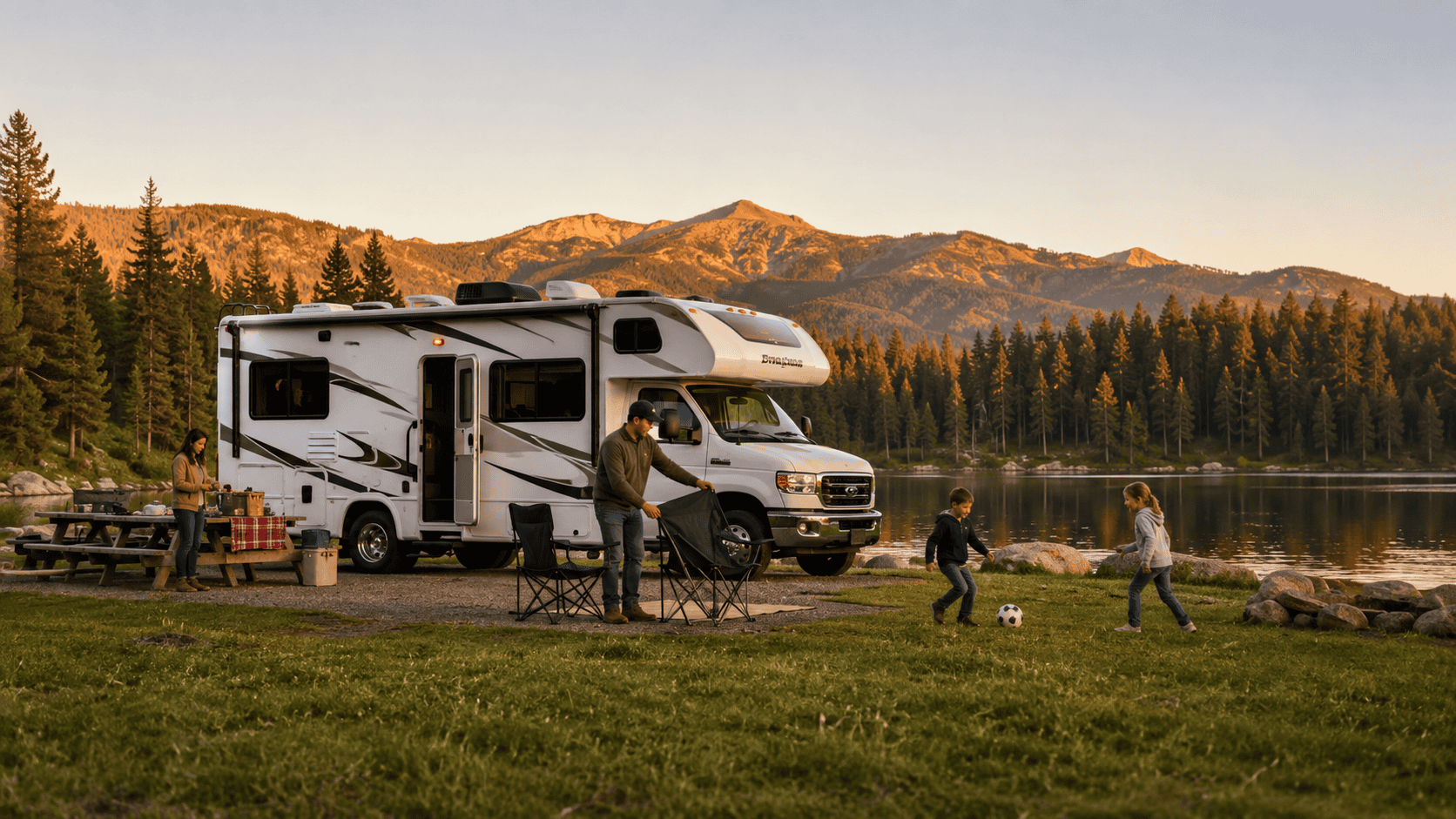
A straight guide to the five RV types worth renting for a family trip, who each one suits, and what it really costs a night.
How renting works, what it really costs, and which platform to book. The complete guide to planning your first trip with confidence.
Most rentals today happen on peer-to-peer marketplaces, which work like Airbnb for motorhomes and trailers. You browse listings from private owners in your area, filter by dates and rig type, and book online. The platform handles payment, insurance, and support, and the owner hands over the keys. Every booking on RVshare, Outdoorsy, and RVezy includes insurance and 24/7 roadside assistance.
The alternative is a commercial fleet like Cruise America, which rents standardized motorhomes from branch locations. Fleets are consistent and simple, but usually pricier and less personal. For most first-timers, the marketplaces offer more choice and better value.
Plan on roughly $150 to $300 a night for a drivable motorhome, or $60 to $150 a night for a towable trailer, before fees. The catch: The nightly rate is only about half of what you actually pay. Service fees, insurance, a cleaning fee, plus your campground and fuel all stack on top, so a typical week lands somewhere between $1,200 and $3,000 all in.
| RV type | Nightly rate | Best for |
|---|---|---|
| Class C motorhome | $150 to $300 | The most popular first rental: drivable, sleeps a family, easy to live in. |
| Class A motorhome | $175 to $450 | Maximum space and comfort, but bigger to drive and thirstier on fuel. |
| Class B campervan | $100 to $250 | Compact and simple, ideal for one or two people. |
| Travel trailer | $60 to $150 | The cheapest way in, if you have a vehicle that can tow it. |
None of the three is reliably cheaper, since owners set their own rates. The right one depends on where you are and what you value.
Over 200,000 rigs across the US, Canada, and Europe. The best odds of finding one near you.
Browse Outdoorsy ›More than 100,000 US listings with a worry-free guarantee and rental replacement.
Browse RVshare ›The specialist for Canada and the one platform built for cross-border trips.
Browse RVezy ›If you are thinking about buying an RV, rent first. A rental week is a few hundred dollars against a purchase that runs into the tens of thousands, and it answers the real question: Not whether a given RV is nice, but whether this kind of travel actually fits your life. Rent the type you are leaning toward, take it on a proper trip, and let the experience decide.
Price the same trip on all three platforms and book the best combination of the right rig, total cost, and a cancellation policy you can live with.
How renting works, what it really costs, and which platform to book. The complete guide to planning your first trip with confidence.
Nightly rates by class, every fee, and a real one-week budget.
Which of the three marketplaces to book for your trip.
Why a rental week is the cheapest way to decide.
Most rentals today happen on peer-to-peer marketplaces, which work like Airbnb for motorhomes and trailers. You browse listings from private owners in your area, filter by dates and rig type, and book online. The platform handles payment, insurance, and support, and the owner hands over the keys. Every booking on RVshare, Outdoorsy, and RVezy includes insurance and 24/7 roadside assistance.
The alternative is a commercial fleet like Cruise America, which rents standardized motorhomes from branch locations. Fleets are consistent and simple, but usually pricier and less personal. For most first-timers, the marketplaces offer more choice and better value.
Plan on roughly $150 to $300 a night for a drivable motorhome, or $60 to $150 a night for a towable trailer, before fees. The catch: The nightly rate is only about half of what you actually pay. Service fees, insurance, a cleaning fee, plus your campground and fuel all stack on top, so a typical week lands somewhere between $1,200 and $3,000 all in.
| RV type | Nightly rate | Best for |
|---|---|---|
| Class C motorhome | $150 to $300 | The most popular first rental: drivable, sleeps a family, easy to live in. |
| Class A motorhome | $175 to $450 | Maximum space and comfort, but bigger to drive and thirstier on fuel. |
| Class B campervan | $100 to $250 | Compact and simple, ideal for one or two people. |
| Travel trailer | $60 to $150 | The cheapest way in, if you have a vehicle that can tow it. |
None of the three is reliably cheaper, since owners set their own rates. The right one depends on where you are and what you value.
Over 200,000 rigs across the US, Canada, and Europe. The best odds of finding one near you.
More than 100,000 US listings with a worry-free guarantee and rental replacement.
The specialist for Canada and the one platform built for cross-border trips.
If you are thinking about buying an RV, rent first. A rental week is a few hundred dollars against a purchase that runs into the tens of thousands, and it answers the real question: Not whether a given RV is nice, but whether this kind of travel actually fits your life. Rent the type you are leaning toward, take it on a proper trip, and let the experience decide.
Price the same trip on all three platforms and book the best combination of the right rig, total cost, and a cancellation policy you can live with.
A straight guide to the five RV types worth renting for a family trip, who each one suits, and what it really costs a night.
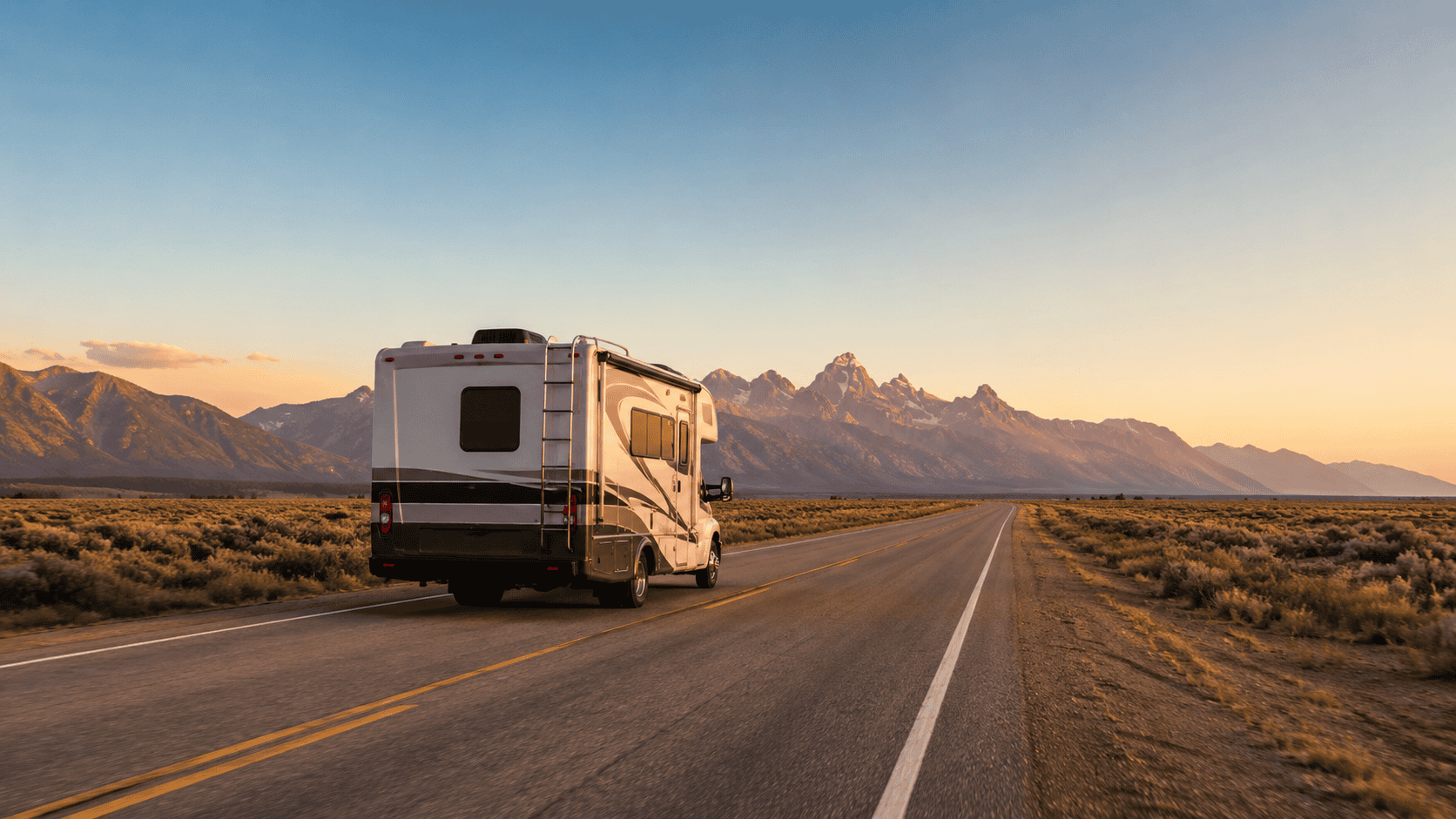
A one-way RV rental lets you pick up in one city and drop off in another, so you can drive a scenic route without doubling back. Here is how it works, what the drop fee costs, and how to keep it down.
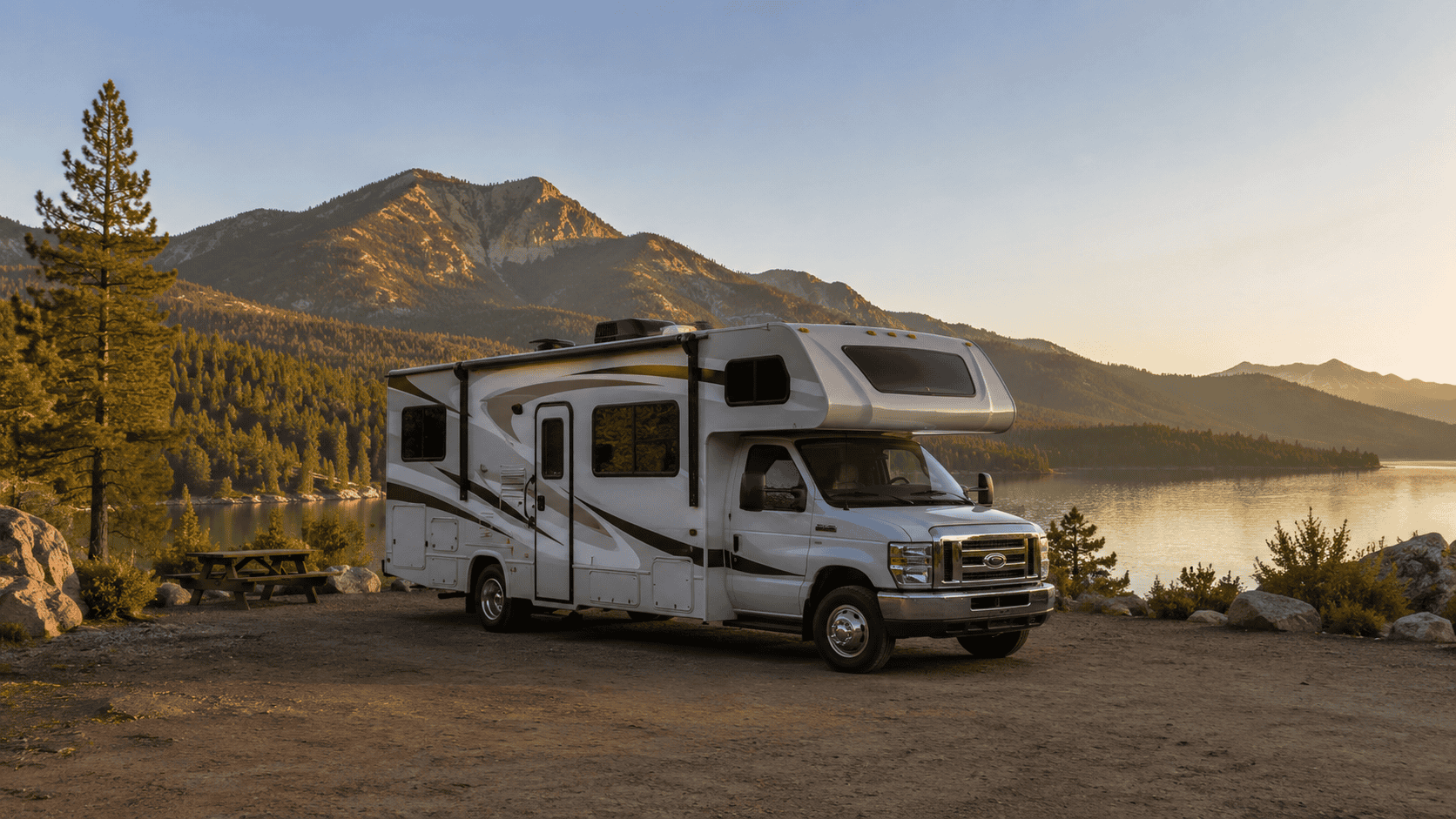
Renting an RV usually costs far more than the nightly rate. Once fees, insurance, mileage, and the campground are in, the sticker price is often only about half of what you actually pay.

They look identical at first glance, but selection, protection, cancellation, and where you can travel set them apart. Here is which RV rental platform to book.
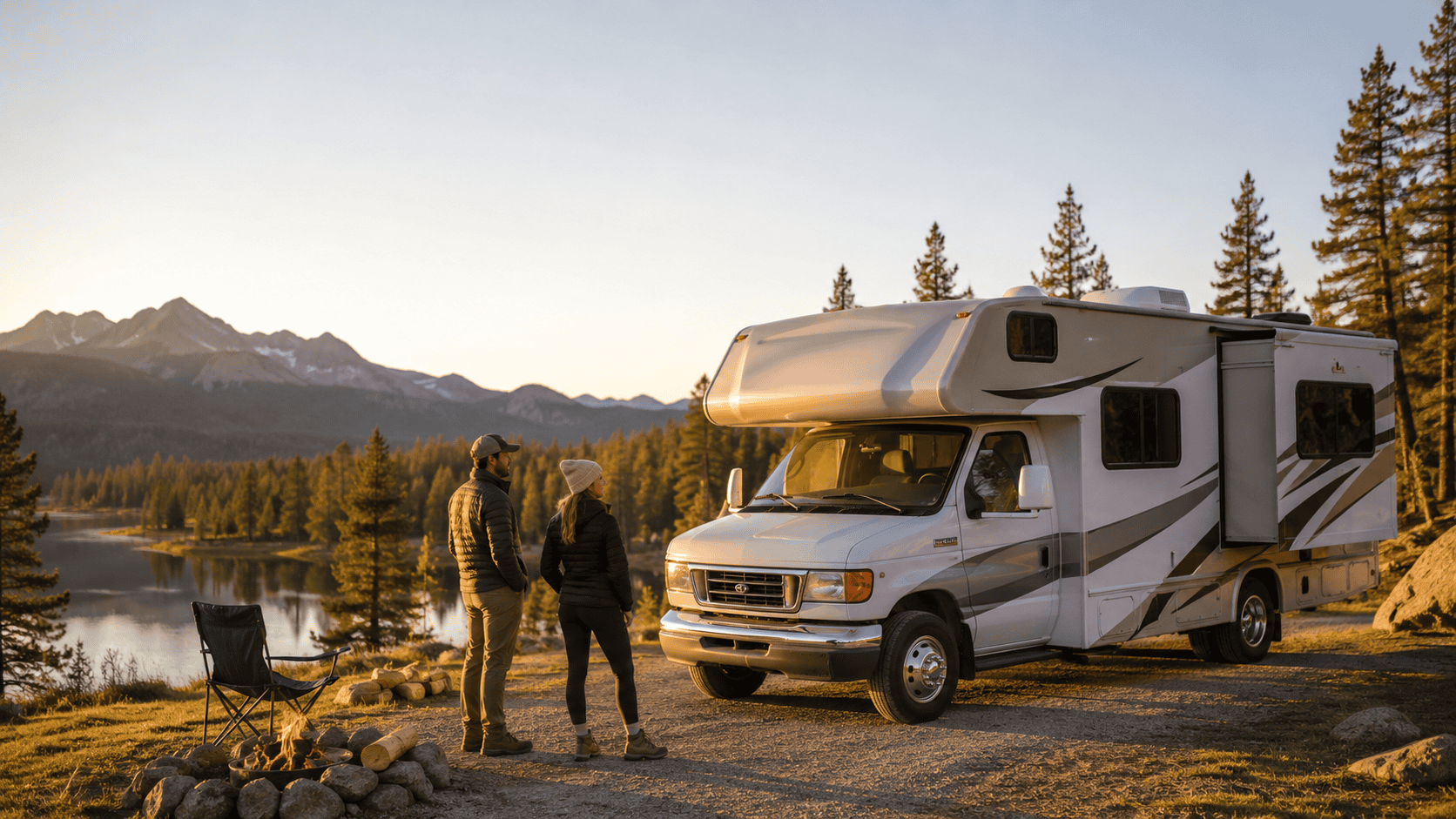
Renting an RV for a real trip before you buy is the cheapest insurance there is. Here is what a test rental teaches you, what it costs, and when you can skip it.